 Secure your bib! SIGN UP!
Discover all the sustainability initiatives of Acea Run Rome The Marathon
Goal: generate lasting social impact through sport, promoting inclusion, active participation, and collective responsibility.
Actions taken:
- A solidarity initiative of the Acea Run Rome The Marathon, specifically connected to the Run4Rome Relay, which combines a passion for running with a commitment to social impact. Launched in 2021, the Charity Program allows runners and supporters to participate in the event by choosing to support a specific cause, among those promoted by more than 40 non-profit organizations (NPOs) involved in the program. Its mission is to transform sport into a tool for inclusion and tangible solidarity: supporting NPOs through fundraising, helping those most in need, and giving visibility to high-impact social projects. Runners, companies, and citizens are involved in a shared experience where running becomes a means to generate real value. Since its inception, the program has raised over €1 million for charitable and inclusive initiatives, thanks to the contributions of thousands of participants who chose to run not just for themselves, but also for a good cause. supporting the local community through long-term social and economic benefits.
- “Si Muove la Città” (The City in Motion): a social impact project born within the framework of Acea Run Rome The Marathon, in collaboration with La Corsa di Miguel. Its main goal is to actively engage the suburbs and greater Rome area through sport. The project aims to bring running and physical activity to the city’s more remote neighborhoods, enhancing parks and green spaces as places of community, participation, and well-being through a series of small-scale running events across the territory. In this way, a major sporting event becomes a driver of inclusion, proximity, and social regeneration. Running from November 2025 to June 2026, “Si Muove la Città” also carries an important legacy mission. The project supports 20 minors between the ages of 6 and 17 through sports scholarships, offering them free and continuous access to sports practice within a personalized educational path. The beneficiaries will be guided by a multidisciplinary team made up of an educator, a psychologist, and a local coordinator, with active involvement of the families. The program includes around 150 hours of sports activities per year, structured psycho-educational monitoring, and educational, psychological, and social support actions. The goal is to foster well-being, independence, and inclusion, while also strengthening the local educational network of schools, sports associations, social services, and the Third Sector.
- Runner Youth Academy: a new initiative launched in Kinshasa, promoted by the teams of Acea Run Rome the Marathon (ARRTM) and Congo River Marathon. It is a sports and educational training program dedicated to the youth of Kinshasa, designed to introduce them to running and help them grow through the values of discipline, solidarity, and community spirit. The project, developed in collaboration with Congo River Marathon and supported by Agape ETS, the Italian Embassy in Congo, and under the patronage of FIDAL and World Athletics, aims to engage children and young adults in running within a fun, structured, and inclusive environment that promotes health and active participation. The initiative especially targets youth from underprivileged socio-economic backgrounds, offering a structured pathway into athletics, alongside educational activities on key topics such as nutrition and mental and physical well-being, with the goal of fostering both personal and collective growth through sport.
- Participation in the “Solidarity Days”: Throughout the year, members of the ARRTM staff and the official pacer team take part in a solidarity project carried out in collaboration with Athletica Vaticana. The initiative involves organizing dedicated volunteer days during which ARRTM representatives offer their support at Caritas soup kitchens, helping serve meals to people in need and donating official clothing from previous editions of the Marathon events. The initiative reaches its most meaningful moment during the volunteer day held as part of Running Week, the week leading up to marathon Sunday. On this occasion, participation is particularly high, reflecting the strong engagement of the sporting community. The soup kitchen service is also accompanied by the “Marathon Mass”, a moment of gathering and sharing open to staff members, people in need, and runners — both believers and non-believers. It is a symbolic and inclusive occasion meant to offer a message of encouragement and well-wishing to all marathon participants.
- Tree planting: between 2022 and 2024, Acea Run Rome The Marathon supported a reforestation project in Guatemala in collaboration with ZeroCO2. Thanks to the commitment of the Marathon and the participation of runners, over 9,000 trees were planted, contributing not only to environmental restoration but also to supporting the local community through long-term social and economic benefits.
Actions taken:
- A solidarity initiative of the Acea Run Rome The Marathon, specifically connected to the Run4Rome Relay, which combines a passion for running with a commitment to social impact. Launched in 2021, the Charity Program allows runners and supporters to participate in the event by choosing to support a specific cause, among those promoted by more than 40 non-profit organizations (NPOs) involved in the program. Its mission is to transform sport into a tool for inclusion and tangible solidarity: supporting NPOs through fundraising, helping those most in need, and giving visibility to high-impact social projects. Runners, companies, and citizens are involved in a shared experience where running becomes a means to generate real value. Since its inception, the program has raised over €1 million for charitable and inclusive initiatives, thanks to the contributions of thousands of participants who chose to run not just for themselves, but also for a good cause. supporting the local community through long-term social and economic benefits.
- “Si Muove la Città” (The City in Motion): a social impact project born within the framework of Acea Run Rome The Marathon, in collaboration with La Corsa di Miguel. Its main goal is to actively engage the suburbs and greater Rome area through sport. The project aims to bring running and physical activity to the city’s more remote neighborhoods, enhancing parks and green spaces as places of community, participation, and well-being through a series of small-scale running events across the territory. In this way, a major sporting event becomes a driver of inclusion, proximity, and social regeneration. Running from November 2025 to June 2026, “Si Muove la Città” also carries an important legacy mission. The project supports 20 minors between the ages of 6 and 17 through sports scholarships, offering them free and continuous access to sports practice within a personalized educational path. The beneficiaries will be guided by a multidisciplinary team made up of an educator, a psychologist, and a local coordinator, with active involvement of the families. The program includes around 150 hours of sports activities per year, structured psycho-educational monitoring, and educational, psychological, and social support actions. The goal is to foster well-being, independence, and inclusion, while also strengthening the local educational network of schools, sports associations, social services, and the Third Sector.
- Runner Youth Academy: a new initiative launched in Kinshasa, promoted by the teams of Acea Run Rome the Marathon (ARRTM) and Congo River Marathon. It is a sports and educational training program dedicated to the youth of Kinshasa, designed to introduce them to running and help them grow through the values of discipline, solidarity, and community spirit. The project, developed in collaboration with Congo River Marathon and supported by Agape ETS, the Italian Embassy in Congo, and under the patronage of FIDAL and World Athletics, aims to engage children and young adults in running within a fun, structured, and inclusive environment that promotes health and active participation. The initiative especially targets youth from underprivileged socio-economic backgrounds, offering a structured pathway into athletics, alongside educational activities on key topics such as nutrition and mental and physical well-being, with the goal of fostering both personal and collective growth through sport.
- Participation in the “Solidarity Days”: Throughout the year, members of the ARRTM staff and the official pacer team take part in a solidarity project carried out in collaboration with Athletica Vaticana. The initiative involves organizing dedicated volunteer days during which ARRTM representatives offer their support at Caritas soup kitchens, helping serve meals to people in need and donating official clothing from previous editions of the Marathon events. The initiative reaches its most meaningful moment during the volunteer day held as part of Running Week, the week leading up to marathon Sunday. On this occasion, participation is particularly high, reflecting the strong engagement of the sporting community. The soup kitchen service is also accompanied by the “Marathon Mass”, a moment of gathering and sharing open to staff members, people in need, and runners — both believers and non-believers. It is a symbolic and inclusive occasion meant to offer a message of encouragement and well-wishing to all marathon participants.
- Tree planting: between 2022 and 2024, Acea Run Rome The Marathon supported a reforestation project in Guatemala in collaboration with ZeroCO2. Thanks to the commitment of the Marathon and the participation of runners, over 9,000 trees were planted, contributing not only to environmental restoration but also to supporting the local community through long-term social and economic benefits.
waste management
Goal: reduce per capita waste production and increase the percentage of monomaterial (paper and plastic) sent for recycling.
Actions taken:
- Separate waste collection: thanks to the collaboration with AMA Roma, separate waste collection is active both in the Expo area and along the race route, to promote the proper management of waste produced during the event.
- Volunteers to assist with collection: in collaboration with Plastic Free Odv Onlus, teams of volunteers assist in facilitating the separation and correct disposal of waste.
- Waste monitoring and reporting: all waste collected and sent for recycling is measured and reported to create an estimate of the environmental impact in terms of CO₂ eq. for transparency and continuous improvement.
- Cigarette butt collection: in the 2025 edition, smokers’ bins were installed for the collection of cigarette butts, which are then sent for recycling and transformed into new resources through a patented process.
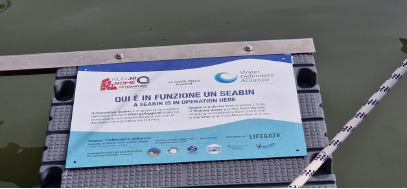
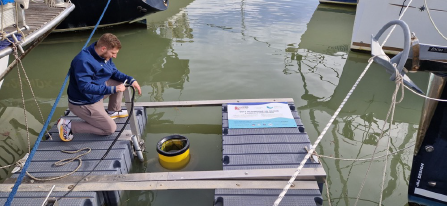
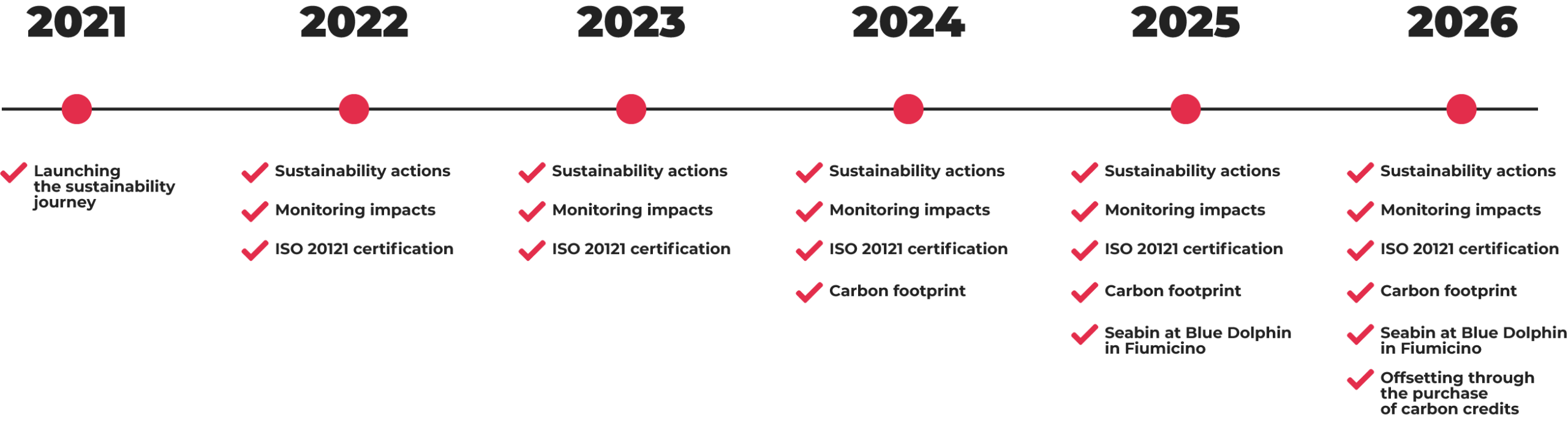
- Water Defenders Alliance Project: starting March 2025, Acea Run Rome The Marathon installed a Seabin at the Blue Dolphin in Fiumicino. The device intercepts floating waste, including plastics and microplastics, contributing to the protection of marine waters and the coastal ecosystem.
Actions taken:
- Separate waste collection: thanks to the collaboration with AMA Roma, separate waste collection is active both in the Expo area and along the race route, to promote the proper management of waste produced during the event.
- Volunteers to assist with collection: in collaboration with Plastic Free Odv Onlus, teams of volunteers assist in facilitating the separation and correct disposal of waste.
- Waste monitoring and reporting: all waste collected and sent for recycling is measured and reported to create an estimate of the environmental impact in terms of CO₂ eq. for transparency and continuous improvement.
- Cigarette butt collection: in the 2025 edition, smokers’ bins were installed for the collection of cigarette butts, which are then sent for recycling and transformed into new resources through a patented process.
- Water Defenders Alliance Project: starting March 2025, Acea Run Rome The Marathon installed a Seabin at the Blue Dolphin in Fiumicino. The device intercepts floating waste, including plastics and microplastics, contributing to the protection of marine waters and the coastal ecosystem.
highlights 2025
- 0,64 kg waste per participant: -41% vs 2024
- + 2.510 kg plastic sent for recycling: -34% vs 2024 Thanks to the reduction of disposable water bottles
- + 5.210 kg Paper sent for recycling: +5% vs 2024
- 30.963 cigarette butts collected and sent for recycling:
- 261 kg floating waste removed from the environment: ≈ 17.000 0,5 lt water bottles removed
- + 2.510 kg plastic sent for recycling: -34% vs 2024 Thanks to the reduction of disposable water bottles
- + 5.210 kg Paper sent for recycling: +5% vs 2024
- 30.963 cigarette butts collected and sent for recycling:
- 261 kg floating waste removed from the environment: ≈ 17.000 0,5 lt water bottles removed
RECOVERY OF SURPLUS FOOD AND CLOTHING
Goal: Prevent food waste and progressively reduce food surpluses generated per participant.
Actions taken:
- Collaboration with Banco Alimentare Roma ODV: Acea Run Rome The Marathon renews its commitment to fighting leftover food waste through its collaboration with Banco Alimentare Roma. All surplus food from the refreshment points — fruit, drinks, and snacks — is recovered and donated to charities in the Banco network, transforming leftovers into concrete support for those most in need.
- Quantification of surpluses and impact assessment thanks to the technical contribution of our partner Circularity.
- Clothing collection and donation: clothing left behind by runners at the start line is collected, sanitized, and donated to local social organizations through Banco Alimentare Roma ODV, giving useful items a second life and helping to create value for the community. Clothes in terrible conditions are instead transformed into blankets.
Actions taken:
- Collaboration with Banco Alimentare Roma ODV: Acea Run Rome The Marathon renews its commitment to fighting leftover food waste through its collaboration with Banco Alimentare Roma. All surplus food from the refreshment points — fruit, drinks, and snacks — is recovered and donated to charities in the Banco network, transforming leftovers into concrete support for those most in need.
- Quantification of surpluses and impact assessment thanks to the technical contribution of our partner Circularity.
- Clothing collection and donation: clothing left behind by runners at the start line is collected, sanitized, and donated to local social organizations through Banco Alimentare Roma ODV, giving useful items a second life and helping to create value for the community. Clothes in terrible conditions are instead transformed into blankets.
highlights 2025
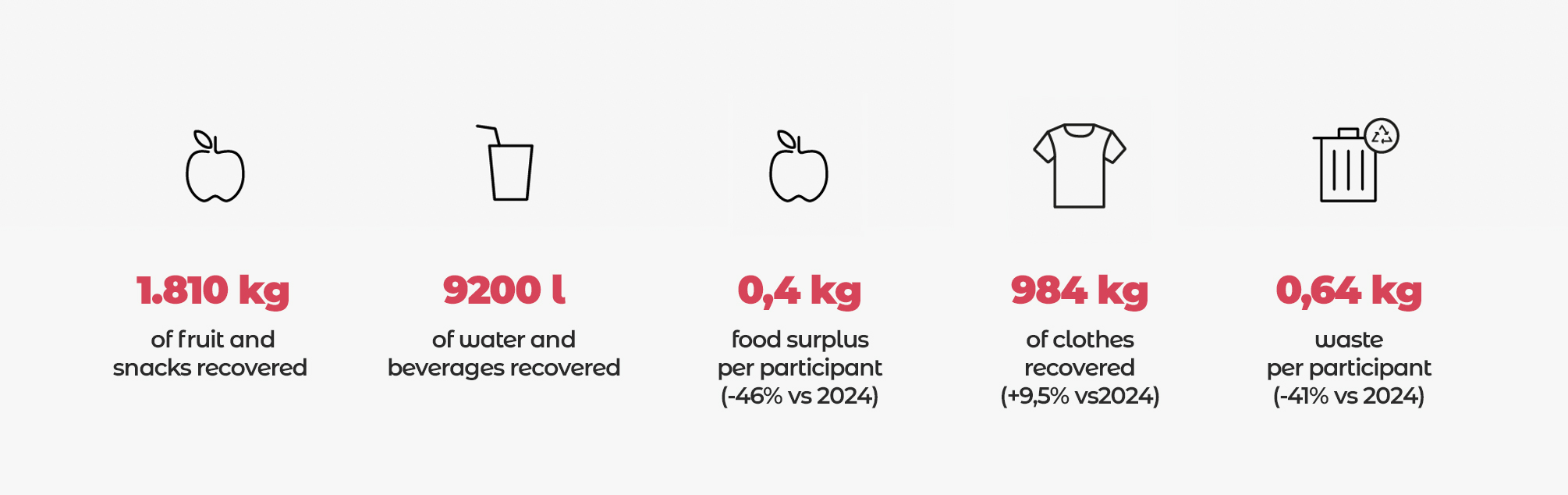
- 1.810 kg of recovered food surpluses: -24,5% vs 2024
- 9.200 L of beverages recovered: -7% vs 2024
- 0,4 kg food surplus per participant: -46% vs 2024
- 984 kg of clothing retrieved: +9,5% vs 2024
- 9.200 L of beverages recovered: -7% vs 2024
- 0,4 kg food surplus per participant: -46% vs 2024
- 984 kg of clothing retrieved: +9,5% vs 2024
sustainable mobility
Goal: integrate hybrid or electric vehicles into the event fleet to reduce the environmental impact of travel during the event.
Actions taken:
- Collaboration with FERCAM for the use of electric trucks in the event's logistics activities.
- Partnership with Hyundai for the supply of electric vehicles for staff transportation along the race route.
Actions taken:
- Collaboration with FERCAM for the use of electric trucks in the event's logistics activities.
- Partnership with Hyundai for the supply of electric vehicles for staff transportation along the race route.
Goal: Increase the use of recycled materials in products distributed during the event and progressively reduce single-use plastics at refreshment points.
Actions taken:
- Promotion of certified and recycled materials: Acea Run Rome The Marathon favors suppliers with environmental certifications and recycled materials, promoting responsible choices at every stage of production and distribution.
- Digitization of informational materials: event communications were progressively digitalized to limit paper use, reduce printing, and minimize waste production.
- Use of recycled TNT along the race route: the technical material used on the track is chosen in a recycled version, contributing to reducing impact and reusing resources.
- Reduction of plastic bottles in refreshment areas: Thanks to the collaboration with ACEA, water tanks have been installed in refreshment areas, significantly limiting the use of single-use plastic bottles.
- Official jersey made from 100% recycled polyester: the Joma jersey for the 2026 edition is made from 100% recycled polyester mesh. The fabric is derived from PET bottles that have been transformed into new raw material, creating a high-performance, low-impact technical garment.
- Recycled wood award plaques: starting with the 2026 edition, the traditional award plaques will be replaced by recycled wood plaques. This conscious and symbolic choice marks a further step in reducing the impact of materials and promoting increasingly responsible solutions.
- Bio-based PACER balloons: starting with the 2023 edition, balloons displaying pacer times will be supplied by Gemar and made from premium bio-based natural latex.
Actions taken:
- Promotion of certified and recycled materials: Acea Run Rome The Marathon favors suppliers with environmental certifications and recycled materials, promoting responsible choices at every stage of production and distribution.
- Digitization of informational materials: event communications were progressively digitalized to limit paper use, reduce printing, and minimize waste production.
- Use of recycled TNT along the race route: the technical material used on the track is chosen in a recycled version, contributing to reducing impact and reusing resources.
- Reduction of plastic bottles in refreshment areas: Thanks to the collaboration with ACEA, water tanks have been installed in refreshment areas, significantly limiting the use of single-use plastic bottles.
- Official jersey made from 100% recycled polyester: the Joma jersey for the 2026 edition is made from 100% recycled polyester mesh. The fabric is derived from PET bottles that have been transformed into new raw material, creating a high-performance, low-impact technical garment.
- Recycled wood award plaques: starting with the 2026 edition, the traditional award plaques will be replaced by recycled wood plaques. This conscious and symbolic choice marks a further step in reducing the impact of materials and promoting increasingly responsible solutions.
- Bio-based PACER balloons: starting with the 2023 edition, balloons displaying pacer times will be supplied by Gemar and made from premium bio-based natural latex.
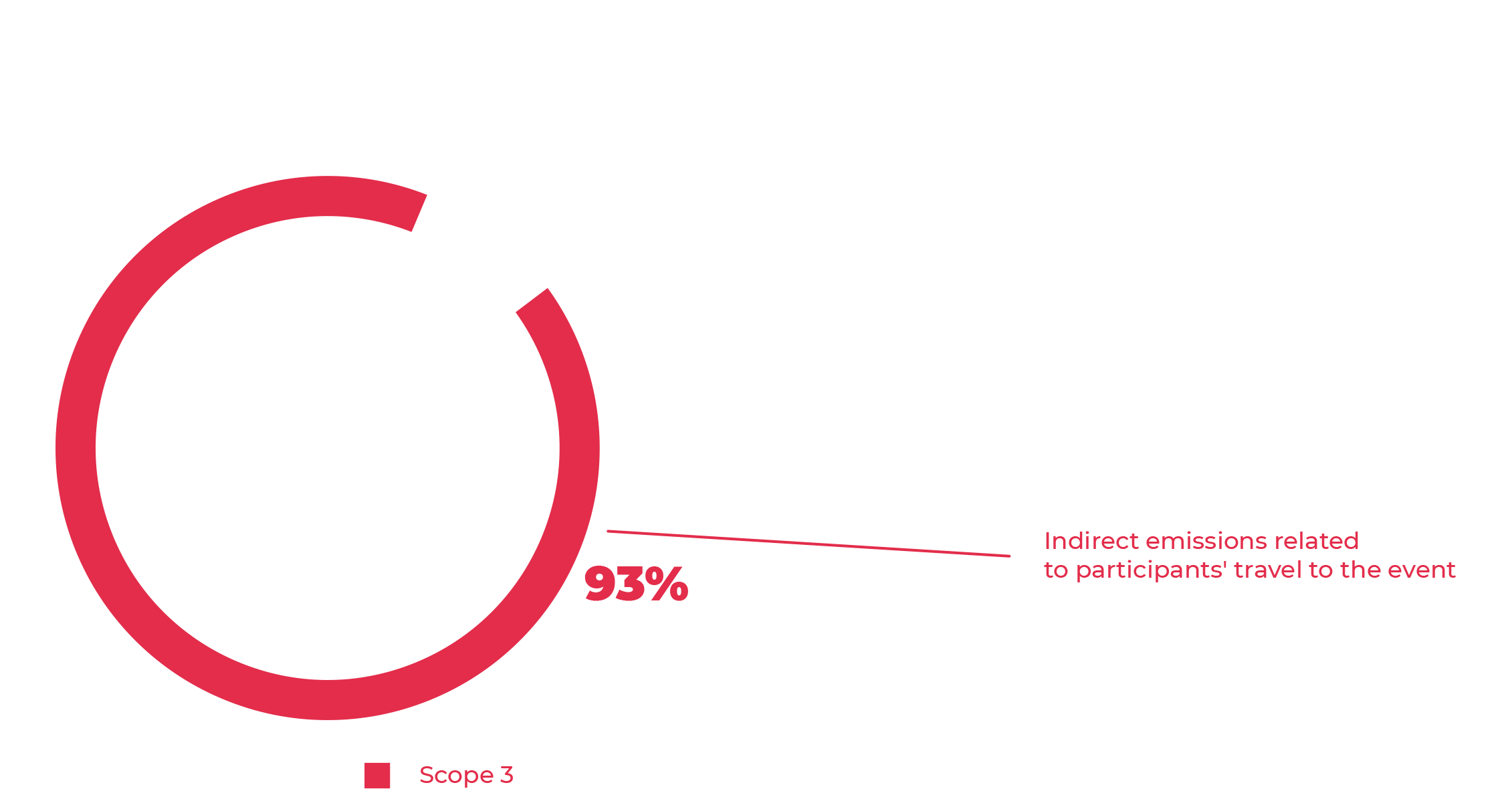
Goal: measure the environmental impact generated during all stages of the event, progressively reduce emissions, and offset them by purchasing certified carbon credits. For the 2026 edition, Acea Run Rome The Marathon has already offset the emissions directly attributable to the Organization (Scope 1 and Scope 2) and part of the indirect emissions linked to participants' travel (Scope 3).
Actions taken: Thanks to its collaboration with sustainability partner Circularity, Acea Run Rome The Marathon has launched a structured program to measure the event's carbon footprint, starting with the 2021 edition, with the aim of ensuring transparency, continuous improvement, and the implementation of concrete actions to reduce and offset emissions.
The carbon footprint is measured according to the international GHG Protocol – Corporate Accounting and Reporting Standard methodology, supplemented by specific guidelines for the sports sector. For context, this Carbon Footprint Methodology is used for the Olympic Games and developed by the International Olympic Committee (2018).
In the pre-event phase, the overall carbon footprint is estimated in order to define the emissions reduction plan. Following the event, the actual data is used to update and improve the plan with a view to optimizing subsequent editions.
Actions taken: Thanks to its collaboration with sustainability partner Circularity, Acea Run Rome The Marathon has launched a structured program to measure the event's carbon footprint, starting with the 2021 edition, with the aim of ensuring transparency, continuous improvement, and the implementation of concrete actions to reduce and offset emissions.
The carbon footprint is measured according to the international GHG Protocol – Corporate Accounting and Reporting Standard methodology, supplemented by specific guidelines for the sports sector. For context, this Carbon Footprint Methodology is used for the Olympic Games and developed by the International Olympic Committee (2018).
In the pre-event phase, the overall carbon footprint is estimated in order to define the emissions reduction plan. Following the event, the actual data is used to update and improve the plan with a view to optimizing subsequent editions.
Emissions offsetting - Improved Cookstove and Safe Water Programme in Nigeria
To offset the residual environmental impact of the event, Acea Run Rome The Marathon supports the Gold Standard certified project “Improved Cookstove and Safe Water Programme Nigeria VPA 16”.
The project contributes to the dissemination of low-emission technologies for water purification and the reduction of traditional fuel use, generating concrete environmental and social benefits. In particular:
 ensures access to drinking water in over 19,000 schools
reduces the need to boil water, lowering CO₂ emissions
improves air quality and public health
supports local development in technology management
This is no coincidence: running together on 22 March, World Water Day, also serves as a reminder that the right to access drinking water and the fight against climate change are a shared responsibility.
A total of 3,100 carbon credits were purchased, equivalent to 3,100 tons of CO₂e, to offset:
- the Organization's direct emissions (Scope 1 and Scope 2)
- a portion of indirect emissions linked to participant travel (Scope 3), in view of the 2026 edition.
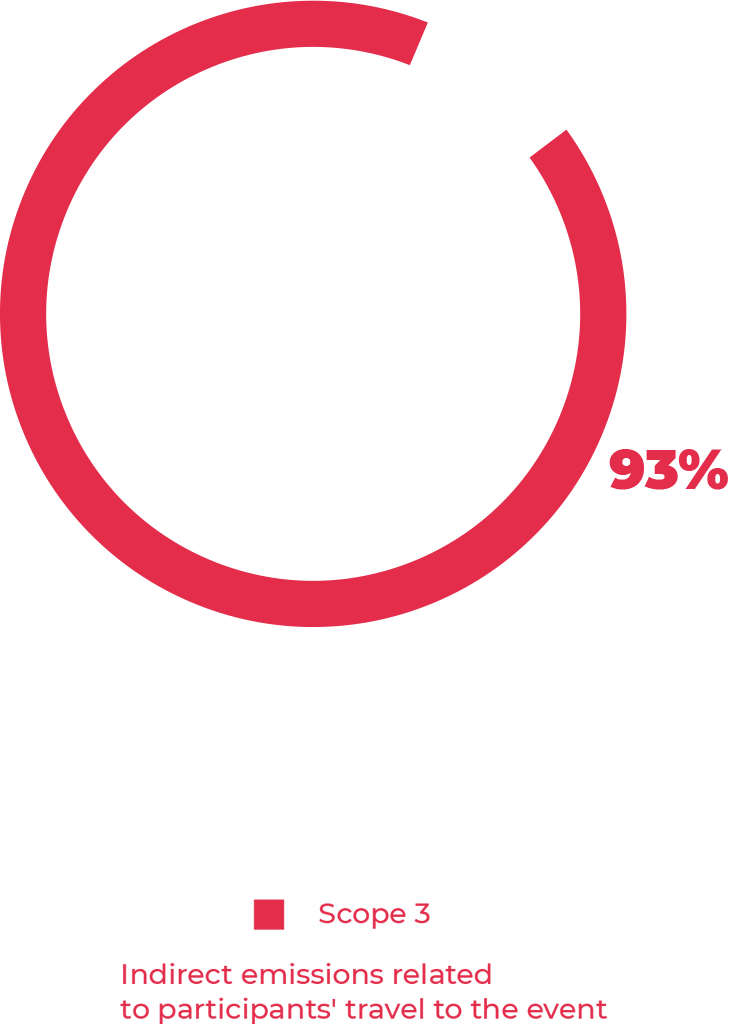
Acea Run Rome The Marathon has already done its part, fully offsetting its direct emissions. However, a significant portion of the event's overall environmental impact is linked to participant travel, which accounts for a significant portion of Scope 3 emissions.
Now it's your turn: help offset the average emissions associated with your participation and become part of a truly sustainable marathon.
Run for yourself, for the planet. Run for water.
Highlights: 3.100 ton of CO₂eq offset
The project contributes to the dissemination of low-emission technologies for water purification and the reduction of traditional fuel use, generating concrete environmental and social benefits. In particular:
ensures access to drinking water in over 19,000 schools reduces the need to boil water, lowering CO₂ emissions improves air quality and public health supports local development in technology managementThis is no coincidence: running together on 22 March, World Water Day, also serves as a reminder that the right to access drinking water and the fight against climate change are a shared responsibility.
A total of 3,100 carbon credits were purchased, equivalent to 3,100 tons of CO₂e, to offset:
- the Organization's direct emissions (Scope 1 and Scope 2)
- a portion of indirect emissions linked to participant travel (Scope 3), in view of the 2026 edition.
Acea Run Rome The Marathon has already done its part, fully offsetting its direct emissions. However, a significant portion of the event's overall environmental impact is linked to participant travel, which accounts for a significant portion of Scope 3 emissions.
Now it's your turn: help offset the average emissions associated with your participation and become part of a truly sustainable marathon.
Run for yourself, for the planet. Run for water.
Highlights: 3.100 ton of CO₂eq offset

In 2022, Run Rome the Marathon obtained ISO 20121 certification for the event's sustainable design, delivery, and reporting, through the certification body RINA. This significant milestone saw the active involvement of the entire organization, supported throughout the certification process by sustainability partner Circularity.
ISO 20121 allows participating organizations to have shared and unified benchmarks to prevent, mitigate, and offset the potential negative effects of events on the environment and local communities, while enhancing the positive ones.
ISO 20121 allows participating organizations to have shared and unified benchmarks to prevent, mitigate, and offset the potential negative effects of events on the environment and local communities, while enhancing the positive ones.
Rome runs towards the SDGs
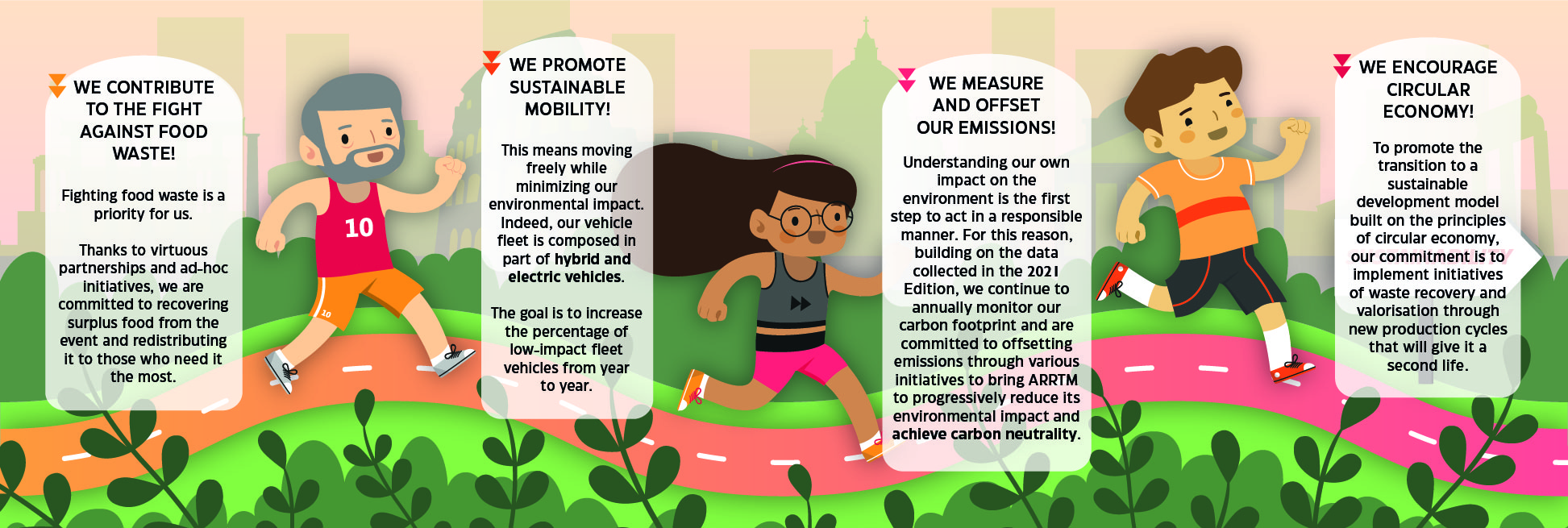
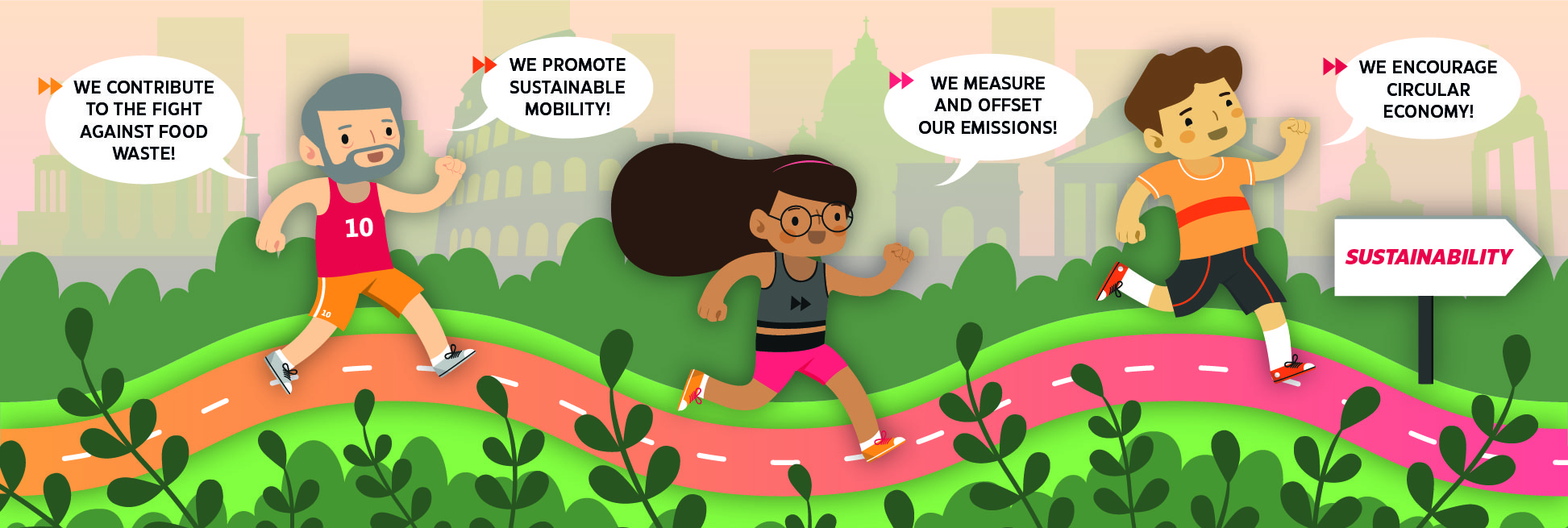
Running teaches us that every step counts: the same applies to sustainability. Since 2021, Acea Run Rome The Marathon has been pursuing a path of continuous improvement to make the event increasingly lighter in terms of its impact and with greater regard to the people and the city that hosts it.Promoted by Infront Italy, Corriere dello Sport – Stadio, Italia Marathon Club, and Atielle, in collaboration with Sustainability Partner Circularity – an innovative start-up and benefit corporation active in the circular economy – the marathon integrates environmental and social criteria into every phase of its organization, transforming commitments and plans into measurable actions.The goal is clear: to make Acea Run Rome The Marathon a model of sustainable management, capable of generating value for Rome and its community, involving runners, volunteers, and stakeholders in a shared goal that goes beyond 42.195 km.
ISO20121 CERTIFICATION
The Run Rome the Marathon has obtained, in 2022, ISO 20121 certification for the design, sustainable delivery and reporting of the event, through the certifying body RINA. An important path that saw the active involvement of the entire Organization, accompanied in the certification process by Sustainability partner Circularity.The ISO 20121 allows the organizations involved to have shared and unified benchmarks in order to prevent, mitigate and offset the possible negative effects caused by events on the environment and local communities whilst enhancing the positive ones.
SUSTAINABLE DEVELOPEMENT GOALS (SDGs)
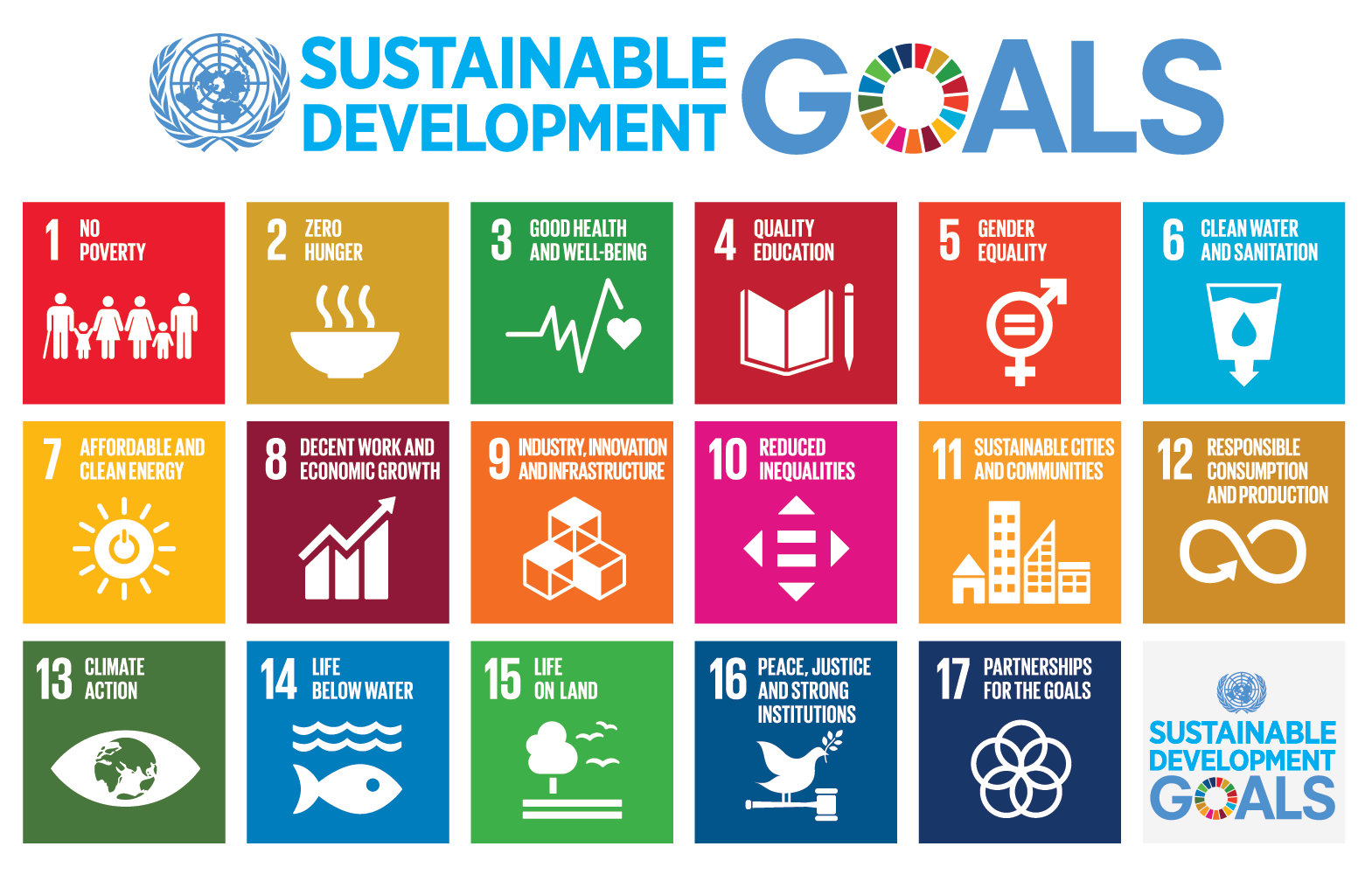
On 25th of September 2015 the General Assembly of United Nations adopted the Agenda 2030 for the Sustainable Development, consisting of 17 goals named Sustainable Development Goals (SDGs), 169 targets and an action plan for people, planet and prosperity. This intent declaration represents the strategy designed by the Assembly to address global challenges by 2030, recognizing the unsustainability of the current development model and declaring the strong link between man and the planet. Indeed, it overcomes the idea that sustainability is a mere environmental issue, instead preferring a vision that integrates the different dimensions of development: economics, environment, society and institutions.The Marathon will support Italy and the world in the achievement of some of these Sustainable Development Goal
SUSTAINABILITY POLICY AND VADEMECUM
Click here and discover the Run Rome the Marathon Sustainability Policy!
Click here and discover the Run Rome the Marathon Sustainability Policy!
GOALS ACHIEVED IN 2025
OFFICIAL PARTNERS